

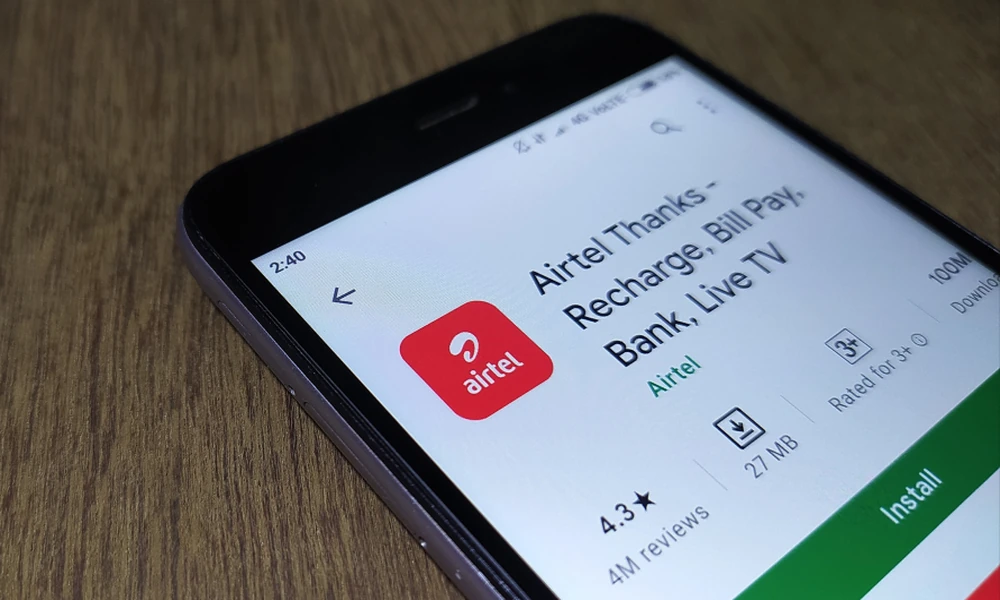
Online recharges have made prepaid mobile, DTH, data pack, and other service renewals easier for users who want quick access without visiting a shop. Earlier, many people depended on local recharge stores or scratch cards. Today, users can select a plan, check validity, pay digitally, and receive confirmation through a mobile app or website.
This method is useful for people who manage personal numbers, family connections, DTH accounts, broadband add-ons, or data packs. It reduces manual work and helps users recharge before service expiry. However, users should still check plan details, operator name, mobile number, validity, and payment confirmation before completing the transaction.
What Are Online Recharges
Online recharges refer to prepaid service renewals completed through digital platforms. These may include mobile prepaid plans, internet packs, DTH plans, entertainment packs, and other telecom-related services.
The user enters a mobile number or subscriber ID, selects an operator and circle if required, chooses a plan, and makes payment through available digital methods. Once successful, the recharge is usually activated within a short time.
Online recharges are mainly used for convenience, but they also help users compare plans more clearly than offline recharge methods.
Why Online Recharges Are Useful
Online recharges are useful because they save time. Users do not need to visit a shop or depend on cash. A recharge can be completed from home, office, or while travelling.
Another advantage is plan visibility. Users can compare daily data, calling benefits, SMS limits, validity, and add-on benefits before selecting a recharge. This helps avoid choosing the wrong plan.
Digital records are also helpful. Users can check past recharges, payment receipts, and plan amounts whenever needed. This is useful for monthly expense tracking.
Common Types of Online RechargesMobile Prepaid Recharges
Mobile prepaid recharge is the most common category. Users can choose plans based on data, calling, SMS, validity, or special packs.
DTH Recharges
DTH users can recharge monthly or as per selected channel packs. Online platforms allow users to renew DTH accounts without visiting a dealer.
Data Pack Recharges
Users who need extra internet can buy data add-ons. These packs are useful when the main plan data limit is exhausted.
Talk Time Recharges
Some users still prefer talk time recharge for calling balance. This may be useful for basic phone users or limited usage needs.
Special Pack Recharges
Operators may offer roaming packs, ISD packs, SMS packs, sports packs, or entertainment add-ons based on user needs.
How Online Recharges Work
The process begins with entering the mobile number, DTH subscriber ID, or account details. The platform may detect the operator automatically, but users should verify it before moving ahead.
Next, the user selects a plan. It is important to read the plan benefits carefully. Some plans may include daily data, unlimited calling, SMS, subscription benefits, or service validity. Others may offer only data or talk time.
After selecting the plan, the user chooses a payment method and confirms the transaction. Once the recharge is successful, the user receives a confirmation message from the platform or service provider.
Things to Check Before Recharge
Before completing online recharges, users should check the number, operator, circle, plan amount, benefits, and validity. Entering the wrong number is one of the most common mistakes.
Users should also check whether the plan is suitable for their usage. A person who uses heavy data may need a different plan than someone who mainly uses calling. DTH users should review channel packs before paying.
In the middle of monthly payment planning, some users manage online recharges along with utility bill payment so that mobile, DTH, electricity, and other dues are handled in a more organized manner.
Payment Methods for Online Recharges
Most platforms provide multiple payment methods. These may include debit cards, credit cards, net banking, UPI, wallets, or saved payment options. Users should choose a method that is secure and convenient.
Before paying, users should check if any convenience fee or extra charge applies. Some platforms may show the final payable amount before confirmation.
Payment confirmation should be saved until the recharge is reflected. If the amount is debited but recharge fails, the transaction ID can help while raising a complaint.
Benefits of Recharge History
Recharge history helps users understand spending patterns. For example, a user can check whether they are spending more on data add-ons than expected. This may indicate that a higher data plan is needed.
Families can also track recharges for multiple numbers. Parents may manage children’s mobile plans, household DTH, and senior family members’ prepaid connections from one place.
Recharge records are also useful when checking plan changes. If a previous plan worked well, users can refer to history and repeat the same recharge if available.
Safety Tips for Online Recharges
Users should complete recharges only through trusted apps, official operator websites, or secure payment platforms. Unknown links received through messages should be avoided.
It is also important not to share OTPs, passwords, card PINs, or UPI PINs with anyone. A recharge does not require users to disclose sensitive banking details over phone calls.
Users should avoid using public Wi-Fi while making payments. They should also keep apps updated and enable phone security features such as screen lock or biometric access.
Common Mistakes to Avoid
One common mistake is selecting the wrong plan. Some users choose a lower-cost pack without checking whether it includes service validity. This can lead to confusion later.
Another mistake is not verifying operator details. If the number has been ported, the operator shown automatically may sometimes need confirmation.
Users should also avoid waiting until the service is disconnected. Recharging before expiry helps maintain uninterrupted calling, data, or DTH access.
Ignoring failed payment status is another issue. Users should check whether the recharge was actually completed and not only whether the amount was debited.
How Online Recharges Help Budgeting
Online recharges can support better budgeting when users review their monthly telecom expenses. Mobile plans, add-on data packs, and DTH renewals may look small individually, but together they can become a noticeable monthly cost.
By checking recharge history, users can decide whether to change plans, reduce add-ons, or combine services more efficiently. This is useful for families with multiple connections.
Users who recharge regularly can also align payments with salary dates or monthly budgets. This reduces last-minute spending pressure.
Choosing the Right Recharge Plan
The right recharge plan depends on usage. A heavy internet user should check daily data limits and speed conditions. A person who mainly uses calls may focus on validity and calling benefits.
DTH users should check whether their selected pack includes preferred channels. Paying for channels that are not watched can increase monthly cost unnecessarily.
Users should also review plan validity. A longer-validity plan may reduce recharge frequency, while a shorter plan may suit temporary users.
Conclusion
Online recharges help users manage mobile, DTH, data, and prepaid services with less effort. They provide plan visibility, faster payments, digital receipts, and better control over regular service renewals.
The best way to use online recharges is to verify details before paying, choose plans based on actual usage, save payment confirmation, and avoid unknown payment links. With careful use, online recharges can make daily connectivity and entertainment services easier to manage.
Frequently Asked Questions
What are online recharges?
Online recharges are prepaid service renewals completed through digital platforms for mobile, DTH, data packs, or other supported services.
Are online recharges safe?
Yes, they are safe when done through trusted apps, official websites, and secure payment methods.
What should I check before making a recharge?
Check the mobile number or subscriber ID, operator, plan amount, benefits, validity, and final payment amount.
What happens if my recharge fails but money is debited?
You should check the transaction status, save the transaction ID, and contact the platform or operator support if the refund is delayed.
Can I track past online recharges?
Yes, most platforms provide recharge history, receipts, and transaction details for future reference.