

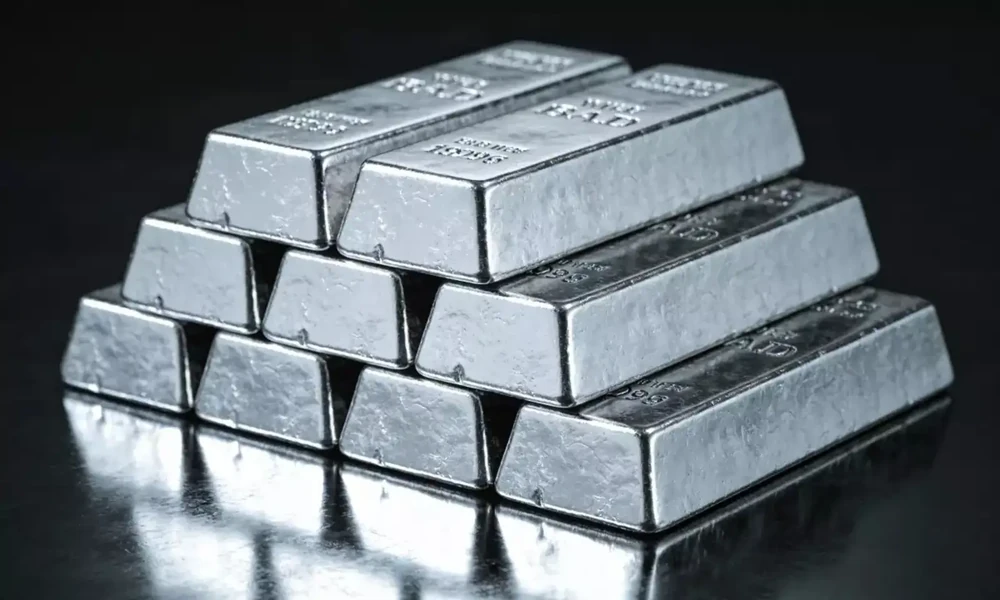
How Silver Prices Are Determined in Global Markets
Silver prices are shaped by activity across international commodities markets, where buyers and sellers respond to economic information, investment demand, industrial requirements, and available supply. Unlike a fixed retail price, the market value of silver changes continuously during trading hours. Following per-ounce valuations through currentsilverpriceperounce.com can help readers keep track of the figures used to assess silver in international markets and compare changes across different trading periods. These movements reflect a combination of global influences rather than a single pricing decision.
Silver is traded in major financial centres, with international prices commonly quoted in US dollars per troy ounce. Market participants include bullion dealers, financial institutions, industrial users, refiners, miners, and investors. Their transactions contribute to price discovery, while economic announcements and changes in market expectations can cause prices to adjust rapidly.
Understanding Spot Prices and Per-Ounce Valuations
The spot price represents the current market value at which silver can be bought or sold for near-immediate delivery under standard market arrangements. It serves as a reference point for many transactions involving physical bullion. Retail prices for coins and bars may differ because dealers add premiums to cover fabrication, distribution, handling, and other operating expenses.
A troy ounce is the standard weight measurement used for precious metals and equals approximately 31.1 grams. Understanding this unit is important when comparing quoted silver prices across markets, dealers, and investment products. The quoted spot value should not automatically be treated as the final amount a customer pays.
The Influence of Currency Exchange Rates on Silver
Currency movements can have a noticeable effect on international silver prices. Since silver is generally quoted in US dollars, changes in the dollar’s strength influence its cost for buyers using other currencies. When the dollar weakens, silver may become less expensive for international purchasers, potentially supporting demand. A stronger dollar can make the metal more costly outside the United States.
For buyers in India, the rupee-dollar exchange rate is particularly relevant. Even when the international silver price remains relatively stable, a change in the rupee’s value can affect the domestic equivalent. Local taxes, import costs, and dealer premiums may create additional differences.
Industrial Consumption and Its Effect on Market Demand
Silver has extensive industrial applications because of its electrical and thermal conductivity. Electronics, solar panels, electrical equipment, and specialised manufacturing processes all contribute to consumption. Higher production activity or expanding renewable energy projects can increase demand, potentially influencing market prices.
Why Silver Prices Change Throughout the Trading Day
Silver prices can move throughout the day as trading activity develops across international time zones. Market reactions to inflation figures, interest rate announcements, employment reports, and geopolitical events may create sudden price changes. Large institutional transactions and shifts in investor sentiment can also influence short-term movements.
Using Price History to Understand Broader Market Movements
Daily quotations provide a snapshot of current conditions, but historical records offer a wider perspective. Comparing prices over weeks, months, and years helps identify longer-term patterns and periods of unusual volatility. Examining historical movements alongside currency changes, industrial demand, and supply developments gives a more balanced understanding of the forces behind silver valuation.